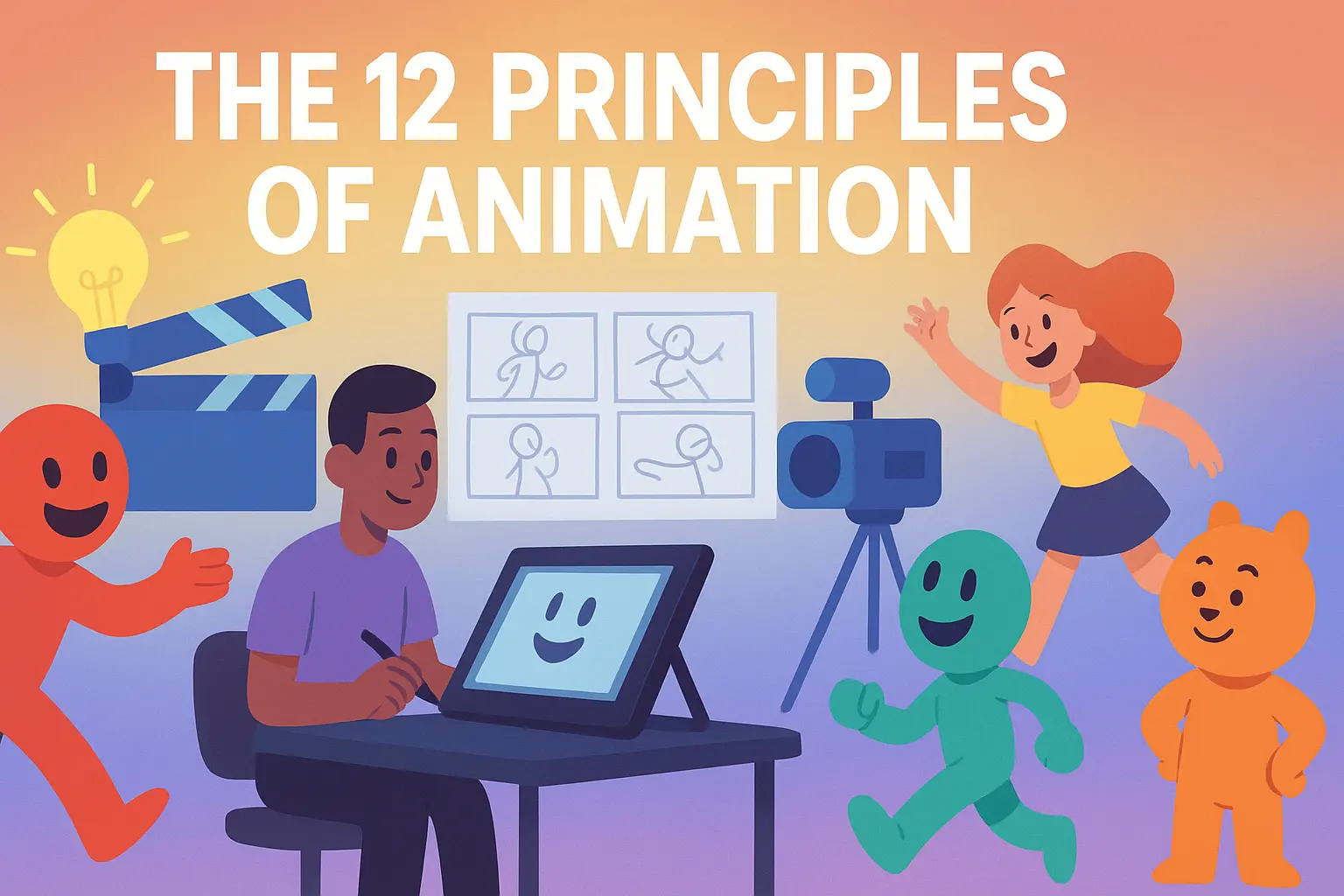
The 12 Principles of Animation
Animation is more than movement — it is a visual language that blends art, timing, character, and emotion. Whether it’s a simple walk cycle or a high-energy action scene, everything begins with the timeless 12 Principles of Animation. These Principles originally developed by the legendary Disney animators Ollie Johnston and Frank Thomas, continue to shape the global animation industry.Let’s dive deeper into each principle:
- 1. Squash & Stretch
Squash and Stretch is often called the heartbeat of animation because it adds life, energy, and believability to every movement. It shows how flexible an object or character is and helps the viewer understand its weight and physical behavior.
Imagine a rubber ball falling to the ground. As it drops, the ball stretches to show speed and momentum. The moment it hits the ground, it squashes, absorbing the impact before bouncing back. This simple change in shape makes the motion feel natural and dynamic—far more convincing than a stiff, unchanging circle.
In character animation, squash and stretch becomes even more powerful. It’s used subtly in facial expressions—like cheeks stretching when laughing—or in body movements, such as a character leaning, jumping, or reacting with surprise. These small shape changes add personality, emotion, and rhythm, making characters feel truly alive rather than flat or mechanical.
In character animation, squash and stretch becomes even more powerful. It’s used subtly in facial expressions—like cheeks stretching when laughing—or in body movements, such as a character leaning, jumping, or reacting with surprise. These small shape changes add personality, emotion, and rhythm, making characters feel truly alive rather than flat or mechanical.
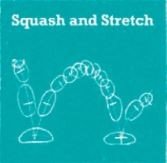
This principle reminds animators that shape is storytelling—every stretch shows motion, and every squash shows emotion.
- 2. Anticipation
Anticipation is the invisible cue that prepares the audience for what is about to happen. It’s the small setup movement that makes the main action feel believable, clear, and emotionally impactful.
Think of a character about to jump. They don’t simply spring into the air—first, they bend their knees, shift their weight downward, and gather energy. This small action tells the viewer, “Something big is about to happen.”
Similarly, before throwing a ball, a character pulls their hand back, rotates their shoulder, or adjusts their stance. These subtle movements create tension, direction, and clarity.
Similarly, before throwing a ball, a character pulls their hand back, rotates their shoulder, or adjusts their stance. These subtle movements create tension, direction, and clarity.
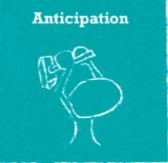
Without anticipation, actions feel sudden, confusing, and unnatural—like a character popping into a jump without preparation. The viewer misses the buildup, and the animation loses its rhythm. Anticipation is essential because it mirrors real-life physics and body mechanics. It also enhances storytelling: a slow, dramatic wind-up builds suspense, while a quick, sharp preparation signals urgency or excitement.
In short, anticipation is the bridge between thought and action—showing the audience why a character moves, not just how they move.
In short, anticipation is the bridge between thought and action—showing the audience why a character moves, not just how they move.
- 3. Staging
Staging is the art of directing the viewer’s attention or the technique of guiding the viewer’s eyes to exactly where the action or emotion is happening.
It ensures that every moment in an animation is presented clearly and meaningfully.Through careful use of composition, framing, posing, lighting, and camera angles, animators highlight the most important part of the scene. Whether it’s a character’s subtle expression, an object in motion, or a dramatic action, staging makes sure the audience never misses the point.
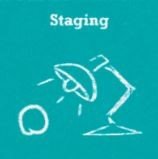
Good staging avoids clutter, removes distractions, and presents the idea in the simplest yet most powerful way. It strengthens storytelling, helps build mood, and ensures the viewer understands the emotion, intention, and narrative behind every shot.
- 4. Straight Ahead Action vs. Pose-to-Pose
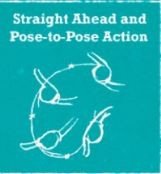
Straight Ahead and Pose-to-Pose are two essential methods that shape the flow and style of animation, each offering its own unique advantages.
- Straight Ahead Action:
In this technique, the animator draws each frame in sequence from beginning to end. This approach creates movement that feels raw, energetic, and highly fluid. It’s ideal for scenes with natural chaos or continuous motion—like fire flickering, water splashing, hair blowing in the wind, or a character tumbling unpredictably. Since the action is built moment by moment, it often leads to dynamic and organic results.
- Pose-to-Pose:
This method begins with carefully planned key poses—strong, clear positions that capture the main beats of the action. Once these foundation poses are set, the animator fills in the in-between frames to complete the motion. This approach gives much more control over timing, storytelling, and character performance. It ensures the movement stays
- 5. Follow-Through & Overlapping Action
Overlapping actions make animation look natural instead of mechanical. Follow-Through and Overlapping Action bring realism, fluidity, and natural motion into animation by recognizing that not everything moves—or stops—at the same time. In reality, different parts of a body don’t move or stop at the same time.Clothes, hair, tails, limbs — they continue moving slightly even after the main body stops. This creates a beautiful flow and adds realism.
- Follow-Through refers to what happens after the main action ends. When a character suddenly stops running, their hair may continue swinging forward, their clothes may flap, or their arms might sway a moment longer. These lingering movements give the scene a sense of natural momentum, showing that actions don’t freeze instantly in the real world.
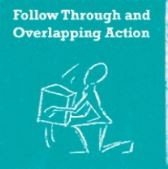
- Overlapping Action focuses on how different parts of the body move at slightly different rates. For example, when a character turns sharply, their head might move first, followed by their shoulders, torso, and finally their arms. This cascading motion creates a rhythm and flow that feels alive and believable
Together, these principles prevent animation from looking stiff or robotic. They add grace, softness, and texture to movement — making every action feel more human, more organic, and more connected to the world around it.
- 6. Slow In & Slow Out
Most actions don’t move at a constant speed. Movements usually begin slowly, accelerate, and then slow down again. In real life, very few movements happen at a steady, unchanging speed. Most actions begin gently, build momentum, and then ease to a stop — and Slow In & Slow Out captures this natural rhythm in animation.
Think about lifting your hand to wave. You don’t snap it upward instantly; instead, your hand rises slowly, speeds up in the middle, and then slows down again as it reaches the final pose. This gradual acceleration and deceleration make the motion feel soft, natural, and human.
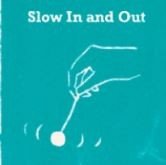
Animators achieve this effect by placing more frames at the start and end of a movement, with fewer frames in the middle. The result is a smooth, flowing action that feels grounded in real physics rather than mechanical or rushed. Slow In & Slow Out adds elegance, emotional tone, and a sense of life to every motion — whether it’s a character blinking, a car starting to move, or a pendulum swinging gently back and forth. It’s the principle that turns simple movement into graceful animation.
- 7. Arcs
Natural movement follows curved paths, not straight lines. Without arcs, movements feel stiff and artificial.
Arcs are the gentle curves that shape the natural flow of movement. In real life, very few actions happen in perfectly straight lines. Our arms swing in arcs, our heads turn in smooth curves, and even objects like balls or leaves follow beautifully rounded paths as they move through the air.
Imagine a hand waving. It doesn’t move stiffly from point A to point B — instead, it sweeps through a soft, curved motion that feels fluid and expressive. A bird in flight also glides in graceful arcs, its wings rising and falling in smooth patterns that create a sense of harmony and rhythm.When animators follow these curved paths, the motion appears more lifelike, appealing, and believable. But when arcs are ignored and movements are drawn in straight lines, characters look stiff, robotic, and unnatural.
Imagine a hand waving. It doesn’t move stiffly from point A to point B — instead, it sweeps through a soft, curved motion that feels fluid and expressive. A bird in flight also glides in graceful arcs, its wings rising and falling in smooth patterns that create a sense of harmony and rhythm.When animators follow these curved paths, the motion appears more lifelike, appealing, and believable. But when arcs are ignored and movements are drawn in straight lines, characters look stiff, robotic, and unnatural.
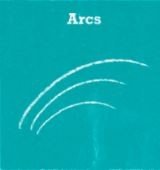
Arcs bring elegance into animation. They help convey weight, speed, and emotion, turning simple actions into beautifully flowing performances.
- 8. Secondary Action
Secondary Action is the layer of movement that enriches the main action, adding depth, personality, and emotional detail to a scene. It’s not the star of the moment — but it beautifully supports the primary motion, making the animation feel fuller and more alive.
Imagine a character running. The running itself is the primary action, but the world around that movement brings it to life: their hair bouncing with each step, their clothes rippling in the wind, their mouth tightening with determination, or their eyes glancing back nervously. These secondary actions don’t steal attention; instead, they enhance the storytelling. This principle helps convey mood, personality, and realism. A confident character might run with an energetic smile, while a tired character might drag their arms or slump slightly. These subtle layers of motion make characters feel human — expressive, emotional, and connected to their environment.

When done well, secondary actions act like the emotional soundtrack of animation, deepening the viewer’s understanding and enriching every frame.
- 9. Timing
Timing is one of the most powerful tools in animation — it determines how fast or how slow an action occurs, and in doing so, it shapes the entire mood, weight, and personality of a movement.
A slow blink feels calm or tired, whereas a fast blink can show shock or energy. Proper timing brings personality to characters and helps deliver the correct emotional impact. Every action, no matter how simple, carries meaning through timing. A slow, gentle blink can make a character appear relaxed, sleepy, or deep in thought. But a rapid, sharp blink instantly conveys surprise, nervousness, or high energy. The difference lies not in the drawing, but in the timing of the frames.
Timing also controls weight. A heavy object takes longer to lift, drops with force, and settles slowly, whereas a light object moves quickly and easily. By adjusting the spacing and number of frames, animators can show whether something feels soft or solid, heavy or delicate.
Timing also controls weight. A heavy object takes longer to lift, drops with force, and settles slowly, whereas a light object moves quickly and easily. By adjusting the spacing and number of frames, animators can show whether something feels soft or solid, heavy or delicate.
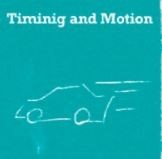
More than anything, timing breathes life into characters. It makes their movements feel intentional, emotional, and connected to the world they inhabit. Whether it’s comedic pause, dramatic suspense, or fast-paced action, mastering timing allows animators to communicate feeling — not just motion.
- 10. Exaggeration
Exaggeration is the artistic freedom that makes animation exciting, expressive, and instantly readable. While real life can sometimes be subtle or subdued, animation thrives on clarity — and exaggeration helps amplify emotions and actions so the audience feels them more strongly.
Think of a character showing surprise. In real life, their eyes might widen just a little. But in animation, you can push the expression — eyes popping wide open, eyebrows shooting up, mouth forming a dramatic “O.” This heightened reaction not only communicates the emotion clearly but also makes the moment entertaining and memorable.
Exaggeration can be applied to poses, movements, expressions, or even timing. A jump can be higher, a laugh bigger, a reaction quicker. These pushes and stretches make the scene more dynamic and expressive.Even realistic animation benefits from a touch of exaggeration. A slightly more pronounced gesture or a subtly enhanced facial reaction makes the performance easier to read and more engaging without losing believability.
Exaggeration can be applied to poses, movements, expressions, or even timing. A jump can be higher, a laugh bigger, a reaction quicker. These pushes and stretches make the scene more dynamic and expressive.Even realistic animation benefits from a touch of exaggeration. A slightly more pronounced gesture or a subtly enhanced facial reaction makes the performance easier to read and more engaging without losing believability.
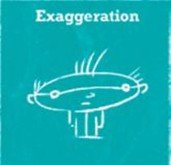
Exaggeration isn’t about distorting reality — it’s about enhancing it, highlighting the essence of an action or emotion so it connects instantly with the viewer. It’s the spark that makes animation burst with life.
- 11. Solid Drawing
Solid Drawing is the foundation that gives animated characters strength, structure, and believability. Even in a digital world filled with advanced tools and software, the core principles of traditional drawing remain essential.
This principle is about understanding perspective, anatomy, weight, balance, and proportion. When an animator masters these concepts, every character feels three-dimensional — not like a flat sketch, but like a living figure that occupies real space.
Imagine turning a character around in your mind. Solid drawing ensures they look consistent from every angle: their arms have proper volume, their posture has balance, and their movements respect the rules of physics and anatomy. Even exaggerated or stylized characters need a strong underlying structure to move believably. It’s not just about drawing well; it’s about giving form and depth to imagination. Solid drawing helps the audience feel that the character has bones, muscles, and weight — even if they’re made of rubber, metal, or pure fantasy.
Imagine turning a character around in your mind. Solid drawing ensures they look consistent from every angle: their arms have proper volume, their posture has balance, and their movements respect the rules of physics and anatomy. Even exaggerated or stylized characters need a strong underlying structure to move believably. It’s not just about drawing well; it’s about giving form and depth to imagination. Solid drawing helps the audience feel that the character has bones, muscles, and weight — even if they’re made of rubber, metal, or pure fantasy.
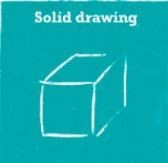
In animation, strong drawings create strong performances. They make every pose clearer, every action more grounded, and every frame visually appealing. : Solid drawing includes perspective, anatomy, balance, and structure. It ensures characters feel well-built, three-dimensional, and consistent from every angle.
- 12. Appeal
Appeal is the magnetic quality that makes a character instantly captivating — the charm that draws the audience in and keeps them emotionally connected. It isn’t limited to cuteness or beauty; even the most menacing villain or the strangest creature can have immense appeal when designed thoughtfully.
Appeal comes from clear shapes, strong silhouettes, balanced proportions, and visual harmony. When a character has a clean and readable design, viewers understand them at a glance. Their personality becomes visible through their posture, expressions, and overall style. Whether they are brave, goofy, mysterious, or evil, their design communicates who they are without needing words.
This principle also focuses on avoiding unnecessary complexity. Simple, well-defined shapes tend to be more memorable—and easier for audiences to connect with—than overly detailed designs. Think of iconic characters in animation: their silhouettes alone are recognizable.
This principle also focuses on avoiding unnecessary complexity. Simple, well-defined shapes tend to be more memorable—and easier for audiences to connect with—than overly detailed designs. Think of iconic characters in animation: their silhouettes alone are recognizable.

Appeal is not about making every character pretty; it’s about giving them presence. A character with strong appeal feels alive, intriguing, and emotionally engaging. Their movements match their personality, their proportions support their attitude, and their expressions reveal inner life.
When a character has true appeal, the audience wants to watch them — whether they’re a lovable hero, a mischievous sidekick, or a villain with undeniable charisma. It’s the secret ingredient that transforms a good character into an unforgettable one.
When a character has true appeal, the audience wants to watch them — whether they’re a lovable hero, a mischievous sidekick, or a villain with undeniable charisma. It’s the secret ingredient that transforms a good character into an unforgettable one.
Why These Principles Still Matter
Even with modern 3D and digital tools, the 12 Principles remain universal. Whether you’re working in 2D animation, 3D animation, motion graphics, stop-motion, or even game design, these principles help create better storytelling and more believable actions. Mastering them transforms simple motion into emotion — and that’s the true magic of animation.
Even with modern 3D and digital tools, the 12 Principles remain universal. Whether you’re working in 2D animation, 3D animation, motion graphics, stop-motion, or even game design, these principles help create better storytelling and more believable actions. Mastering them transforms simple motion into emotion — and that’s the true magic of animation.
“Want to build a career in animation? Don’t wait!
Visit Cosmos Creative Academy and start your creative journey today.
Live your passion……..shape your future……and become A Professional Animator.”
Visit Cosmos Creative Academy and start your creative journey today.
Live your passion……..shape your future……and become A Professional Animator.”