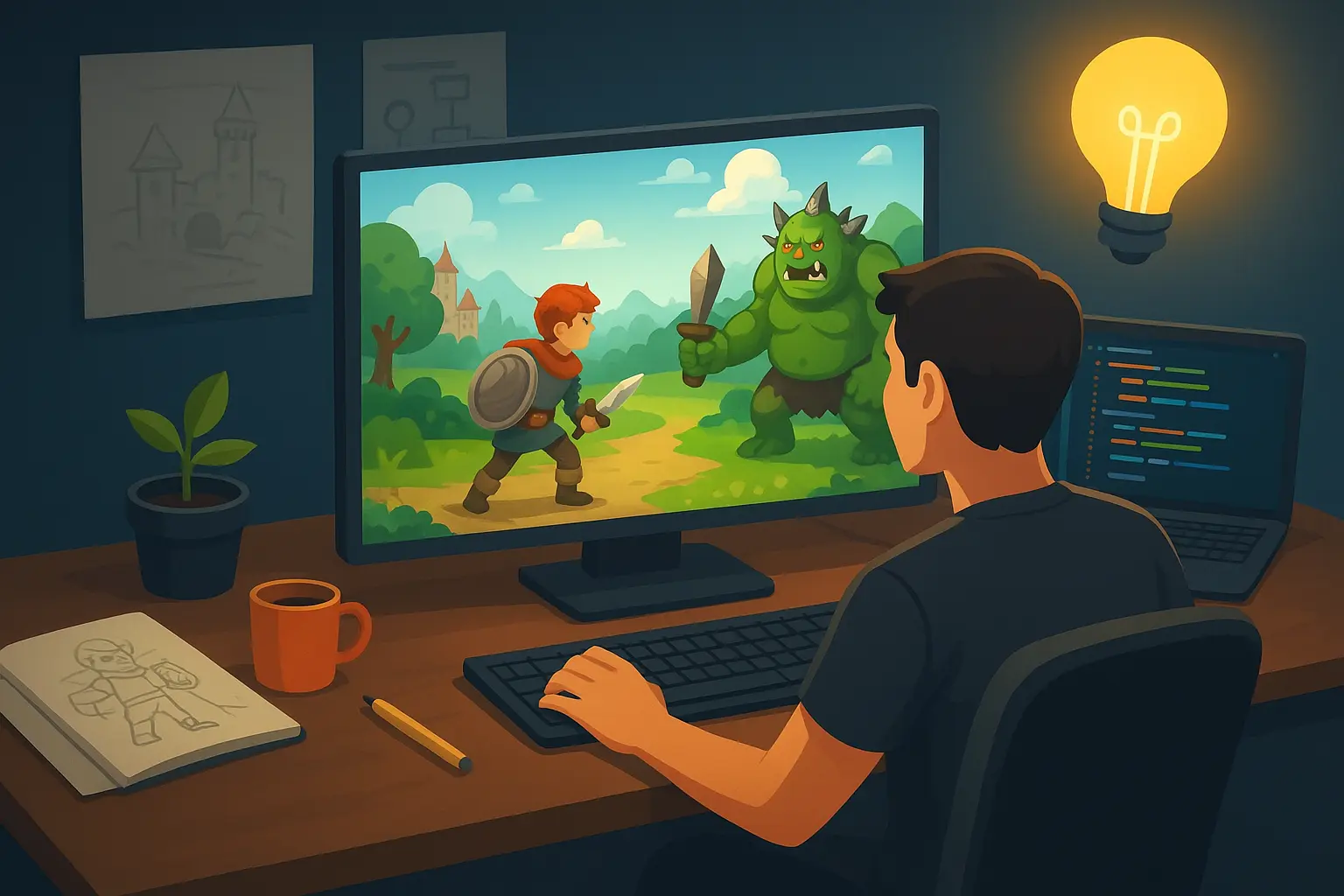
Game Development: Turning Imagination Into Playable Reality Game development is one of the most exciting creative journeys of our time. It’s a world where art meets technology, storytelling blends with logic, and imagination transforms into interactive experiences. Whether it’s a simple mobile game or a massive open-world adventure, every game starts with a spark — an idea. That idea slowly evolves into characters, worlds, and systems that players can interact with, making the entire process both challenging and deeply creative. What Exactly Is Game Development? Game development is the art of bringing an idea to life — transforming a small spark of imagination into a world that people can actually play and enjoy. It’s a journey where characters are born, stories take shape, and entire universes are built from nothing but creativity and passion. Developers sketch characters, craft environments, design exciting challenges, write engaging stories, and code the interactions that make everything feel alive. From the first rough concept to the final polished game, every stage demands teamwork, patience, and a deep love for creating something unique. It’s not just about making a game — it’s about building an experience that players will remember, connect with, and lose themselves in. This principle reminds animators that shape is storytelling—every stretch shows motion, and every squash shows emotion. The Creative Side: Story, Art & Characters Behind every great game is an engaging story and memorable characters. Artists and designers bring these ideas to life through visuals, concept art, and meaningful design decisions. This creative stage forms the emotional heart of the game. Character Design – Creating heroes, villains, creatures, and companions. Designers think about appearance, personality, expressions, and movement to make characters believable and relatable. World Building – Designing environments, levels, and atmospheres. Landscapes, pathways, hidden details, and lighting all contribute to making the game world immersive and engaging. Storytelling – Crafting a narrative that players emotionally connect with. Writers build backstories, quests, plot twists, and dialogues that give the gameplay depth and purpose. This is the stage where imagination takes shape and becomes visually alive. The Technical Side: Coding & Game Engines Once the visual and story elements are ready, developers use powerful engines like Unity, Unreal Engine, or Godot to turn them into interactive experiences. Programming brings life, movement, and logic into the game. Movement and controls – Defining how characters walk, jump, fight, or interact. Smooth controls are essential for player satisfaction. Physics and interactions – Managing collisions, gravity, and how objects behave or react. Good physics make the game feel realistic. Game rules and challenges – Setting difficulty levels, missions, and gameplay systems. These rules are the backbone of the entire experience. AI behaviors – Creating smart enemies and interactive NPCs. Good AI makes gameplay unpredictable and engaging. UI and menu systems – Building health bars, maps, inventories, and settings that help players navigate the game easily. Coding ensures every creative idea becomes a functioning, enjoyable experience. Sound, Animation & Effects A game’s mood depends heavily on music, sound effects, and animations. These elements create atmosphere, emotion, and impact. Footsteps, background music, weather sounds, character movements, and special effects — all these elements bring the world to life. Good animation makes characters feel natural, while strong sound design adds emotion and depth. Visual effects like lighting, shadows, and particles enhance realism and give the game a polished finish. Testing, Fixing & Improving Before a game is released, it goes through multiple rounds of testing. Testers check for bugs, difficulty issues, glitches, and performance problems across different devices. Developers then fix issues, refine gameplay, and adjust levels to ensure the experience is smooth and enjoyable. Testing is one of the most important steps because it transforms a good idea into a professionally polished game. Why Choose Game Development? Game development gives you the freedom to imagine worlds, tell stories, and create experiences that millions of people can enjoy. It’s a career that blends creativity with technology, making it ideal for those who love art, coding, design, or storytelling. With continuous innovation and global opportunities, it offers long-term career growth and immense creative satisfaction. The Future of Gaming Is Bright New technologies like AI, virtual reality, augmented reality, and cloud gaming are opening doors we never imagined before — making games smarter, more interactive, and more realistic. And as more players join the global gaming community every day, the need for talented game developers continues to rise. No matter the field — design, coding, art, animation, sound, or storytelling — skilled creators are in high demand now more than ever. Cosmos Creative Academy: Your Gateway to a Career in Game Development There are very few institutes that truly teach or guide students in game development with professionalism and industry relevance. Cosmos Creative Academy proudly stands at the top, offering expert training, professional mentorship, and a 100% job placement guarantee. With strong industry connections and a practical, skill-based learning environment, students are prepared to join the best gaming studios in the country. If you dream of working in reputed and well-known gaming companies, secure your seat now and begin your journey with Cosmos Creative Academy — where creativity meets career success.
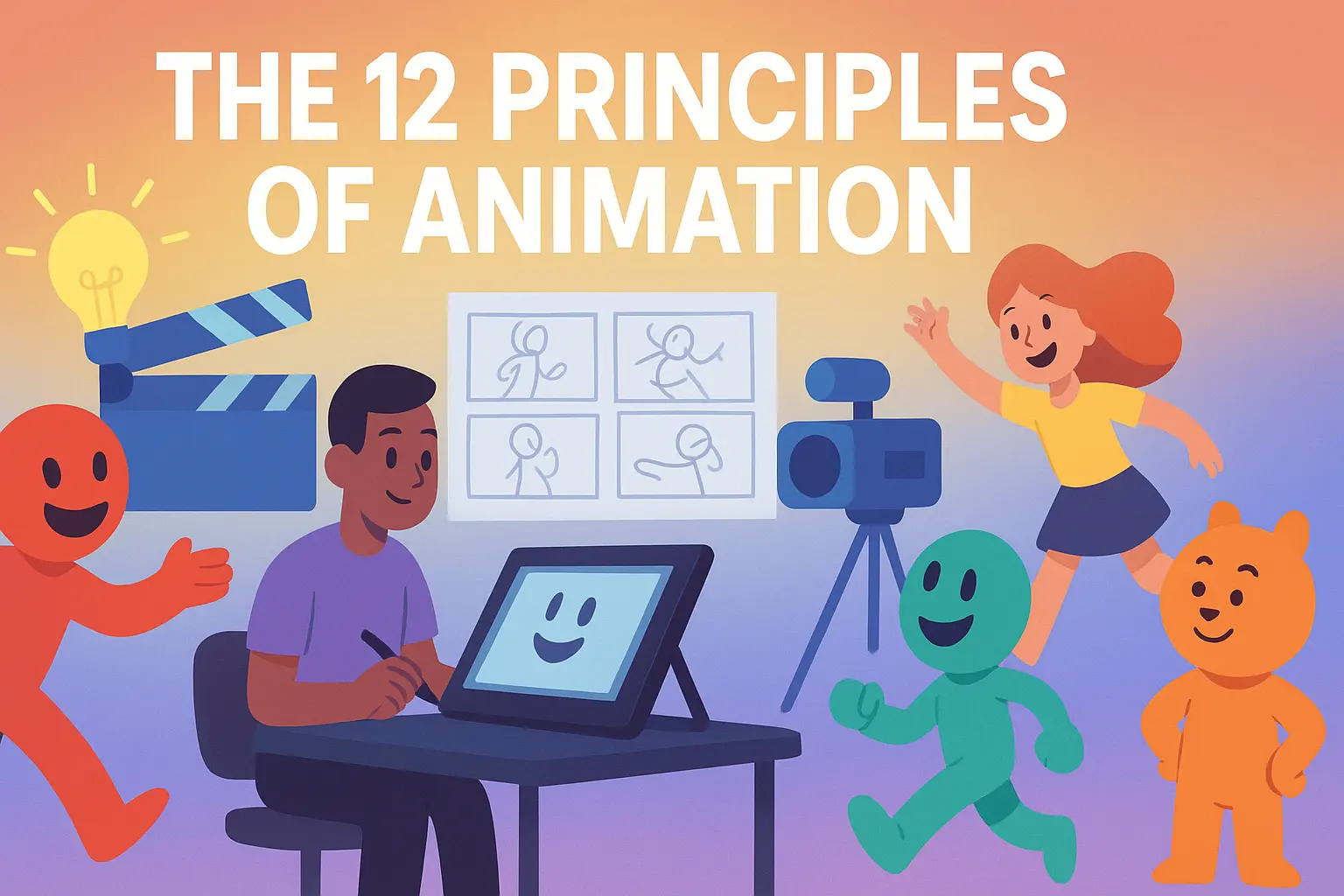
The 12 Principles of Animation
The 12 Principles of Animation Animation is more than movement — it is a visual language that blends art, timing, character, and emotion. Whether it’s a simple walk cycle or a high-energy action scene, everything begins with the timeless 12 Principles of Animation. These Principles originally developed by the legendary Disney animators Ollie Johnston and Frank Thomas, continue to shape the global animation industry. Let’s dive deeper into each principle: 1. Squash & Stretch Squash and Stretch is often called the heartbeat of animation because it adds life, energy, and believability to every movement. It shows how flexible an object or character is and helps the viewer understand its weight and physical behavior.Imagine a rubber ball falling to the ground. As it drops, the ball stretches to show speed and momentum. The moment it hits the ground, it squashes, absorbing the impact before bouncing back. This simple change in shape makes the motion feel natural and dynamic—far more convincing than a stiff, unchanging circle. In character animation, squash and stretch becomes even more powerful. It’s used subtly in facial expressions—like cheeks stretching when laughing—or in body movements, such as a character leaning, jumping, or reacting with surprise. These small shape changes add personality, emotion, and rhythm, making characters feel truly alive rather than flat or mechanical. This principle reminds animators that shape is storytelling—every stretch shows motion, and every squash shows emotion. 2. Anticipation Anticipation is the invisible cue that prepares the audience for what is about to happen. It’s the small setup movement that makes the main action feel believable, clear, and emotionally impactful.Think of a character about to jump. They don’t simply spring into the air—first, they bend their knees, shift their weight downward, and gather energy. This small action tells the viewer, “Something big is about to happen.” Similarly, before throwing a ball, a character pulls their hand back, rotates their shoulder, or adjusts their stance. These subtle movements create tension, direction, and clarity. Without anticipation, actions feel sudden, confusing, and unnatural—like a character popping into a jump without preparation. The viewer misses the buildup, and the animation loses its rhythm. Anticipation is essential because it mirrors real-life physics and body mechanics. It also enhances storytelling: a slow, dramatic wind-up builds suspense, while a quick, sharp preparation signals urgency or excitement. In short, anticipation is the bridge between thought and action—showing the audience why a character moves, not just how they move. 3. Staging Staging is the art of directing the viewer’s attention or the technique of guiding the viewer’s eyes to exactly where the action or emotion is happening.It ensures that every moment in an animation is presented clearly and meaningfully.Through careful use of composition, framing, posing, lighting, and camera angles, animators highlight the most important part of the scene. Whether it’s a character’s subtle expression, an object in motion, or a dramatic action, staging makes sure the audience never misses the point. Good staging avoids clutter, removes distractions, and presents the idea in the simplest yet most powerful way. It strengthens storytelling, helps build mood, and ensures the viewer understands the emotion, intention, and narrative behind every shot. 4. Straight Ahead Action vs. Pose-to-Pose Straight Ahead and Pose-to-Pose are two essential methods that shape the flow and style of animation, each offering its own unique advantages. Straight Ahead Action:In this technique, the animator draws each frame in sequence from beginning to end. This approach creates movement that feels raw, energetic, and highly fluid. It’s ideal for scenes with natural chaos or continuous motion—like fire flickering, water splashing, hair blowing in the wind, or a character tumbling unpredictably. Since the action is built moment by moment, it often leads to dynamic and organic results. Pose-to-Pose:This method begins with carefully planned key poses—strong, clear positions that capture the main beats of the action. Once these foundation poses are set, the animator fills in the in-between frames to complete the motion. This approach gives much more control over timing, storytelling, and character performance. It ensures the movement stays 5. Follow-Through & Overlapping Action Overlapping actions make animation look natural instead of mechanical. Follow-Through and Overlapping Action bring realism, fluidity, and natural motion into animation by recognizing that not everything moves—or stops—at the same time. In reality, different parts of a body don’t move or stop at the same time.Clothes, hair, tails, limbs — they continue moving slightly even after the main body stops. This creates a beautiful flow and adds realism. Follow-Through refers to what happens after the main action ends. When a character suddenly stops running, their hair may continue swinging forward, their clothes may flap, or their arms might sway a moment longer. These lingering movements give the scene a sense of natural momentum, showing that actions don’t freeze instantly in the real world. Overlapping Action focuses on how different parts of the body move at slightly different rates. For example, when a character turns sharply, their head might move first, followed by their shoulders, torso, and finally their arms. This cascading motion creates a rhythm and flow that feels alive and believable Together, these principles prevent animation from looking stiff or robotic. They add grace, softness, and texture to movement — making every action feel more human, more organic, and more connected to the world around it. 6. Slow In & Slow Out Most actions don’t move at a constant speed. Movements usually begin slowly, accelerate, and then slow down again. In real life, very few movements happen at a steady, unchanging speed. Most actions begin gently, build momentum, and then ease to a stop — and Slow In & Slow Out captures this natural rhythm in animation.Think about lifting your hand to wave. You don’t snap it upward instantly; instead, your hand rises slowly, speeds up in the middle, and then slows down again as it reaches the final pose. This gradual acceleration and deceleration make the motion feel soft, natural, and human. Animators achieve this effect by placing more frames at the
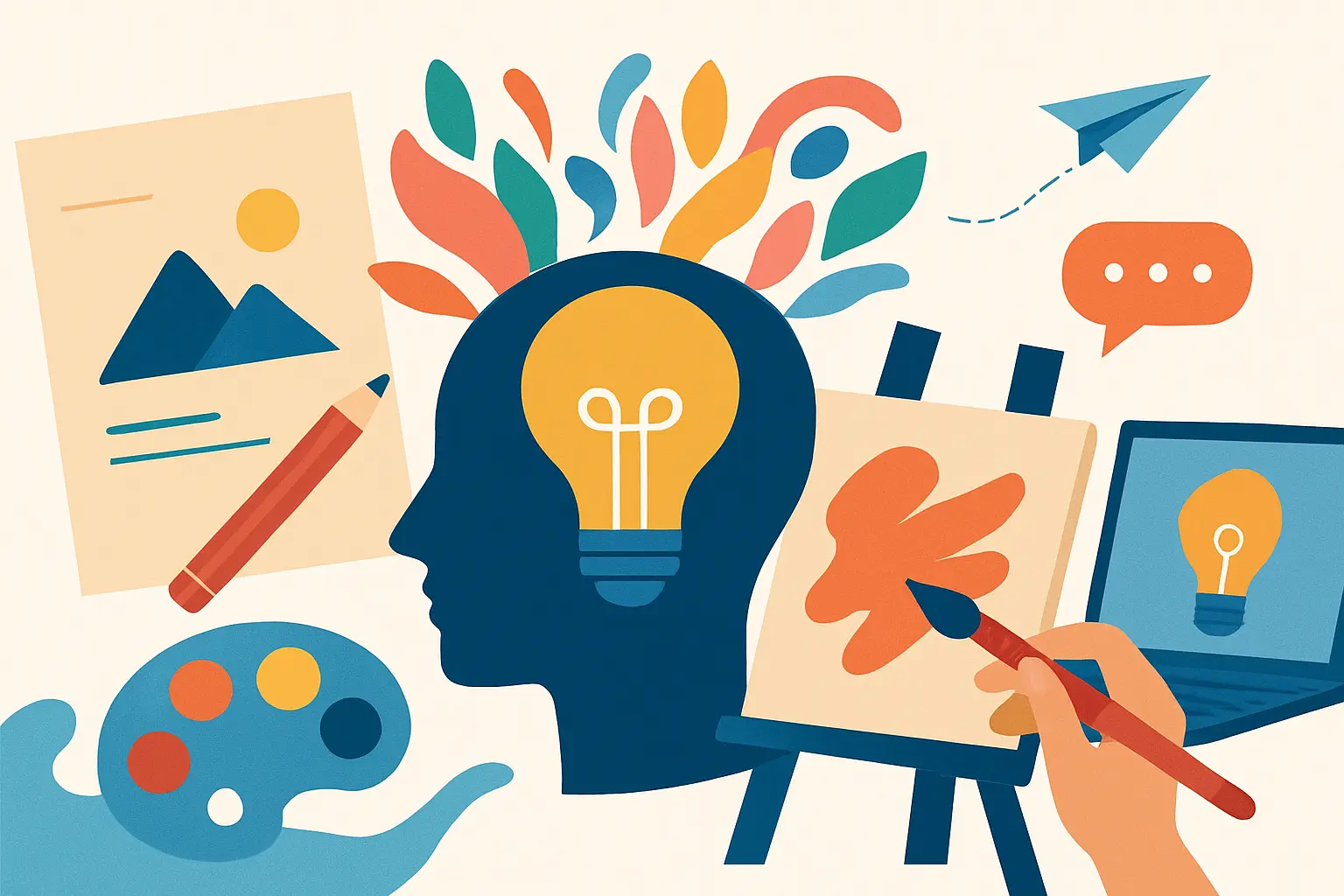
The Power of Creativity: Turning Imagination into Innovation
The Power of Creativity: Turning Imagination into Innovation Creativity it’s that spark that turns ordinary ideas into extraordinary possibilities. It’s the invisible force behind every great invention, every inspiring piece of art, and every meaningful solution to the world’s challenges. From art and design to science, education, and business, creativity fuels progress and transforms the way we see and experience the world. It allows us to dream beyond limitations, to explore uncharted paths, and to bring something new and valuable into existence. What Is Creativity? At its core, creativity is the ability to think differently — to connect ideas in new and unexpected ways, to imagine what doesn’t yet exist, and to bring those ideas to life. It’s not limited to artists, musicians, or writers; creativity is a universal skill that everyone possesses. Whether you’re solving a complex problem at work, finding new ways to teach a lesson, cooking an innovative recipe, or even decorating your home, you’re exercising your creative mind. Creativity is not just about producing something artistic — it’s about finding fresh approaches, thinking beyond the obvious, and refusing to settle for “the usual.” It combines imagination, logic, and emotion to form new perspectives. A scientist who develops a new vaccine, an engineer who designs eco-friendly technology, or a student who thinks of a unique project idea — all of them are demonstrating creativity. True creativity also involves curiosity and courage. It’s the curiosity to explore what others overlook, and the courage to take risks, to experiment, and to fail along the way. Because every masterpiece, every discovery, and every innovation begins with a single brave thought — a willingness to imagine something different. Why Creativity Matters Creativity drives innovation, and innovation drives progress. Every breakthrough invention, from the lightbulb to the smartphone, began as a creative spark. It’s the foundation of human advancement, shaping the way we live, work, and interact with one another. But beyond changing the world, creativity deeply impacts our personal lives. Engaging in creative thinking helps us grow emotionally and mentally. It allows us to express feelings that words alone can’t capture. Creativity teaches us patience, resilience, and problem-solving — skills that are invaluable in every aspect of life. It gives us the confidence to face uncertainty and to find beauty and meaning in imperfection. In today’s fast-changing world, adaptability is everything — and creativity is the key to adaptability. It enables us to approach challenges with an open mind, to think flexibly, and to turn obstacles into opportunities. Whether it’s developing new business strategies, finding solutions to global issues, or simply figuring out how to make life more fulfilling, creativity plays a vital role. Moreover, creativity enhances mental well-being. Studies show that engaging in creative activities — such as painting, writing, or even brainstorming ideas — can reduce stress, improve focus, and boost happiness. It gives us a sense of accomplishment and purpose, reminding us that we have the power to shape our reality. How to Cultivate Creativity Creativity isn’t just an innate talent; it’s a mindset that can be developed with practice, openness, and consistency. Here are a few ways to keep your creative energy flowing: Embrace Curiosity – Curiosity is the heart of creativity. Ask questions, explore new hobbies, and venture beyond your comfort zone. Read books on topics you’ve never studied before, travel to new places, or talk to people with different perspectives. The more you expose yourself to new ideas, the more connections your mind will make. Break the Routine – Creativity thrives in change. Doing the same things every day can limit your imagination. Try taking a different route to work, changing your workspace, or trying new experiences. When you challenge your habits, your brain begins to see things from a fresh angle, sparking new ideas. Accept Imperfection – One of the biggest barriers to creativity is the fear of making mistakes. But perfection is an illusion — creativity is about experimentation. Every failed attempt is a lesson that brings you closer to success. Some of the world’s greatest discoveries happened by accident — simply because someone dared to try. Collaborate and Share – Great ideas often emerge from collaboration. When people with diverse backgrounds and experiences share their thoughts, innovation flourishes. Discuss your ideas, brainstorm with others, and welcome feedback. You’ll be surprised how often collaboration can lead to breakthroughs you might not have found alone. Make Space for Stillness – Some of the best ideas come when the mind is quiet. Our brains need time to rest and process. Take regular breaks, meditate, go for walks, or spend time in nature. Creativity often strikes in moments of calm — when you’re not actively searching for it. Keep a Creative Journal – Write down your thoughts, sketches, dreams, and inspirations. Sometimes, a random idea that seems insignificant today can grow into something powerful later. A creative journal keeps your imagination alive and helps you track your growth. Learn from Everything – Inspiration can come from anywhere — a book, a movie, a conversation, or even a mistake. Keep your eyes open to the world around you. The smallest observation can lead to the biggest idea. Play and Experiment – Creativity loves playfulness. Don’t take every project too seriously; allow yourself to experiment and have fun. Play frees your mind from pressure and encourages imagination to flow naturally. Balance Work and Rest – A tired mind struggles to be creative. Make sure to balance productivity with relaxation. Sometimes, stepping away from a problem is the best way to find the solution. Creativity in the Modern World In today’s digital age, creativity has more platforms than ever before. From AI-assisted design software to open-source innovation hubs, technology has expanded the boundaries of what’s possible. Yet, the human imagination remains irreplaceable. Technology can enhance and amplify our creativity, but it cannot replace the emotional intelligence, empathy, and intuition that define human creation. The most powerful innovations come from the fusion of human creativity and technology — when
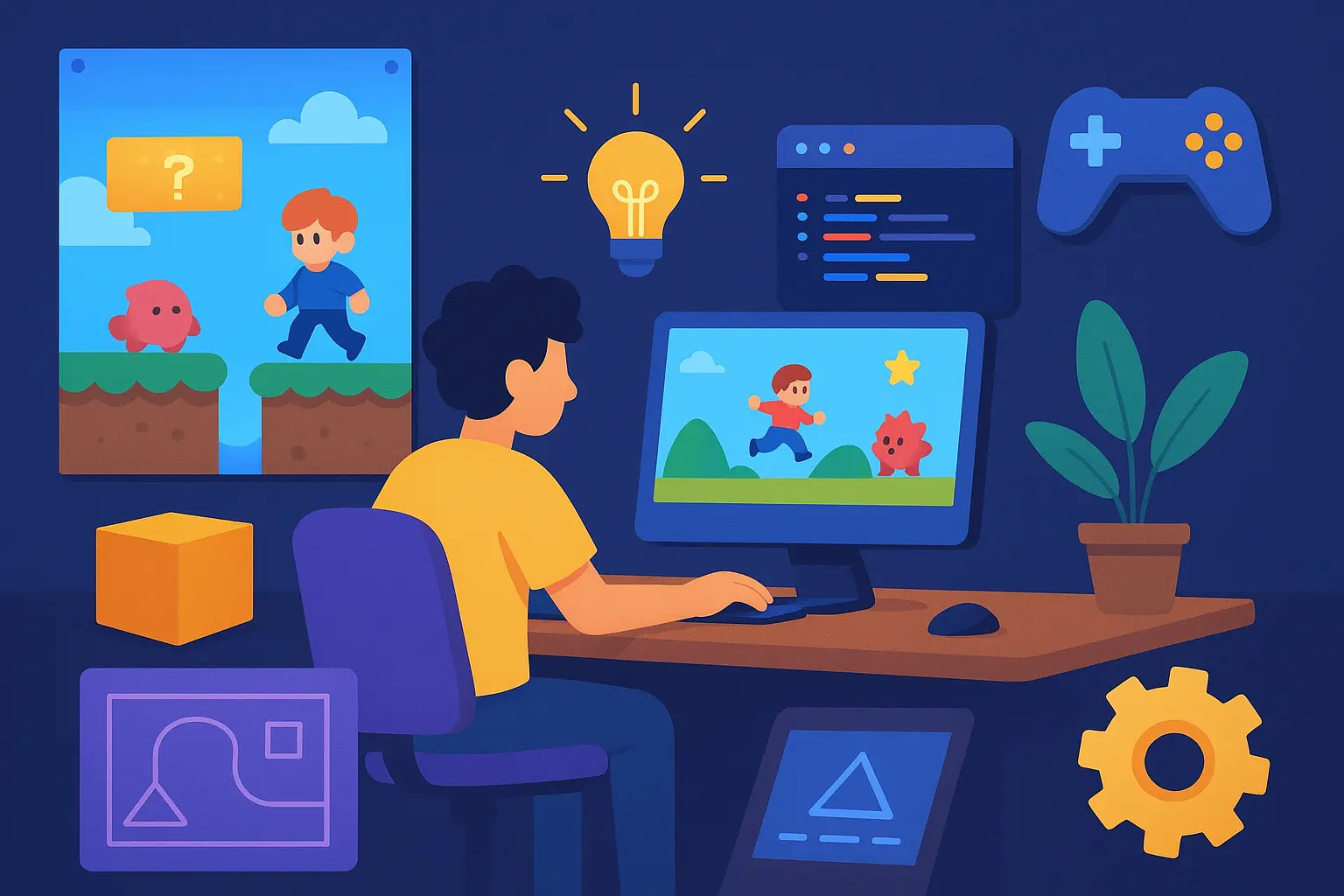
Game Design: What It Involves & Why It’s a Great Opportunity
Game Design: What It Involves & Why It’s a Great Opportunity Game design is the art and science of creating games. It’s not just about making something fun—it’s about shaping the rules, challenges, visuals, sounds, and stories that make a game meaningful and engaging for players. A game designer decides how the game works, how it feels to play, and how it keeps people motivated to continue exploring. Think of game design as building an experience. It combines many fields storytelling (to create characters and plots), art and animation (to bring the world to life), sound and music (to set the mood), programming (to make everything function), and even psychology (to understand what motivates players). Software Used for Game Design When it comes to game design, software tools play a vital role in turning creative ideas into playable experiences. At Cosmos Creative Academy, students are introduced to industry-standard software that professionals around the world use. Unity – One of the most popular game engines, perfect for both 2D and 3D games, especially mobile and indie titles. Unreal Engine – Known for its high-end graphics and realistic gameplay, widely used in AAA game development. Blender – A free and powerful tool for 3D modeling, animation, and even visual effects. Maya – Professional-grade software for animation, rigging, and creating detailed 3D environments. Photoshop – Essential for concept art, textures, and refining visual assets. Illustrator – Used for designing vector art, icons, and user interface elements. ZBrush – Specialized in sculpting characters, creatures, and detailed models. Substance Painter – Adds realistic textures and materials to 3D game assets. Audacity – A simple tool for editing sound effects, music, and voice-overs. Visual Studio (C#) – The go-to environment for scripting and programming logic in games. These tools not only help students design visually stunning worlds but also teach them how to think like professionals, preparing them for real-world game development. Opportunities in Game Design The gaming industry is thriving across the world, and India is quickly becoming a hub for innovation in this space. For students trained in game design, the opportunities are vast. Some choose the indie route, working solo or in small teams to release creative games on platforms like Steam or mobile app stores. Others step into the world of AAA studios, contributing as environment artists, animators, or level designers on large-scale productions. Beyond entertainment, game design is making waves in education, healthcare, and simulation—where interactive experiences are used for learning and training. The field is also rapidly expanding into emerging technologies like virtual reality, augmented reality, and the metaverse, opening new possibilities for immersive storytelling and design. Esports and gamification have further broadened the scope, creating demand for designers who can craft competitive systems, engaging leaderboards, and reward-based experiences. Whether you dream of designing worlds, coding mechanics, or creating the art and sound behind them, game design offers an exciting future. Why Choose Cosmos Creative Academy for Game Design At Cosmos Creative Academy Chinchwad, students step into this exciting journey where they learn everything from narrative design—developing plots, character arcs, and dialogues—to the visual side of gaming, such as sketching concepts, designing characters, and bringing them to life through 2D or 3D animation. The focus also extends to user interface and experience, ensuring that menus, controls, and interactions feel smooth and natural. To make the game world complete, sound and music are introduced to add emotion, atmosphere, and rhythm. And of course, programming and scripting tie everything together by bringing logic and interactivity into play. Cosmos Creative Academy, Chinchwad, provides the perfect space for aspiring game designers to learn and grow. The academy emphasizes a balance of theory and practice, giving students the chance to work on hands-on projects where they create their own game prototypes and environments. By working with industry-standard tools, learners are equipped with the skills that make them job-ready from day one. What makes the experience even richer is the mentorship and exposure students receive. Industry experts and guest speakers share real-world insights, while internships and projects help learners gain practical knowledge. By the end of their journey, students graduate with a portfolio filled with their own artwork, coding projects, and design documents—something they can proudly present to studios or clients. Game design is more than just a creative hobby—it’s a career path that blends imagination, technology, and storytelling into one powerful medium. For young minds who dream of building immersive worlds and unforgettable experiences, Cosmos Creative Academy offers the right environment to explore, learn, and take the first steps into this exciting industry.
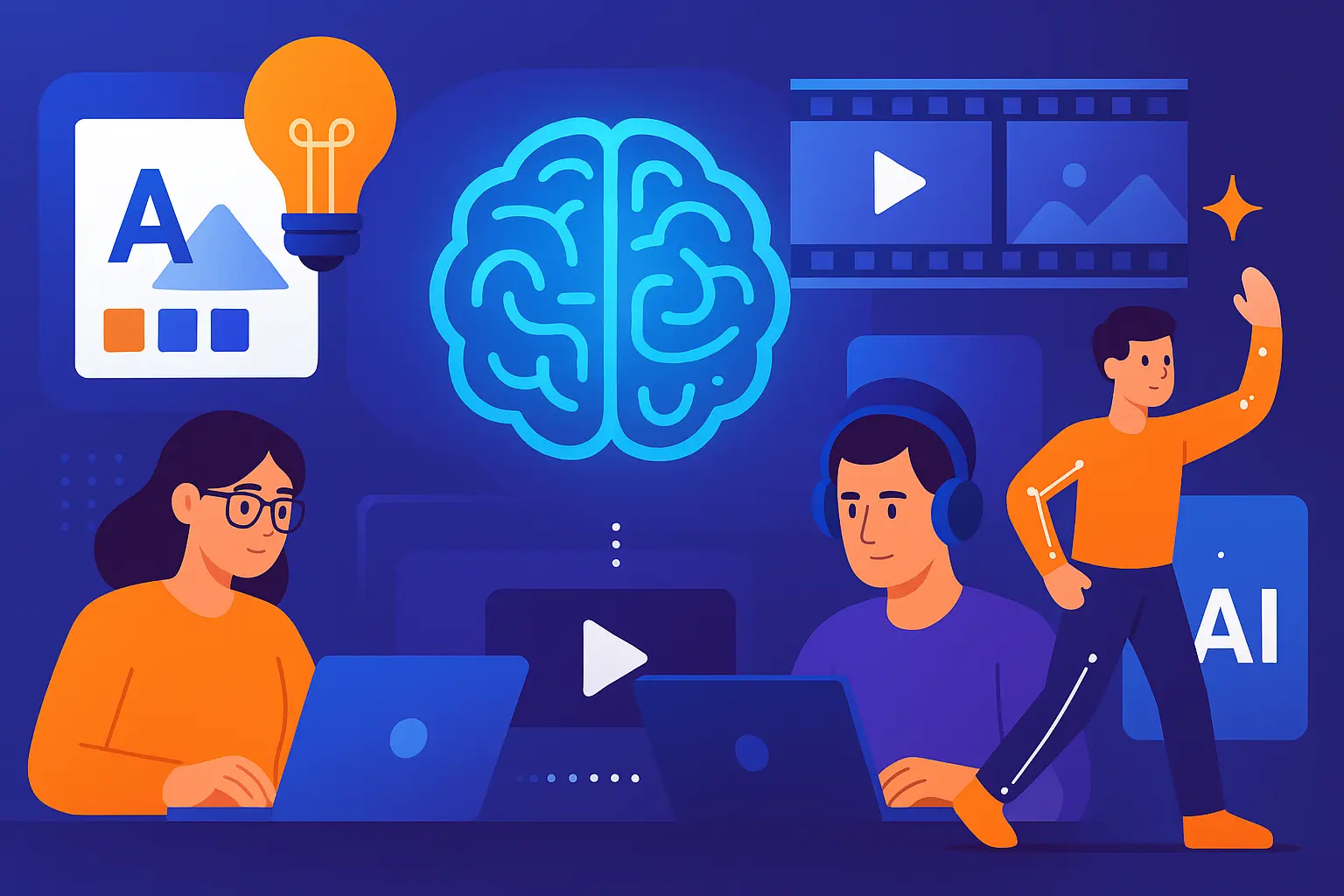
How AI is Changing the Game in Design, Editing & Animation
How AI is Changing the Game in Design, Editing & Animation At Cosmos Creative Academy, we believe creativity thrives when paired with the right tools. And in today’s fast-moving world, one of the biggest game-changers in the creative space is Artificial Intelligence (AI). Whether you’re designing logos, editing videos, or bringing animated characters to life, AI is transforming how creative professionals work — making things faster, smarter, and more intuitive. Let’s take a look at how AI is shaping the future of graphic design, editing, and animation, and why learning these tools is more important than ever. Smarter, Faster Graphic Design Graphic design has always been about finding the sweet spot between creativity and precision. Today, AI is stepping in as a helpful partner — making the process faster, smarter, and more enjoyable. Quick Design Layouts: Platforms like Canva’s Magic Design or Adobe Sensei can instantly generate layouts, color palettes, and font pairings. It’s like having a design assistant who sparks ideas and saves you hours of trial and error. Effortless Image Cleanup: Forget spending endless hours editing. Tools such as Luminar AI or Photoshop’s Neural Filters can clean up images, remove backgrounds, or retouch photos in just a few clicks. Personalized Suggestions: AI doesn’t just follow rules — it learns your style. It can recommend design choices tailored to your project and audience, helping your work feel more authentic and on point. Video Editing Gets a High-Tech Upgrade If you’ve ever sat down to edit a video, you already know how quickly hours can disappear—cutting clips, fixing colors, cleaning up sound… it’s a lot. The good news? AI is stepping in to take some of that heavy lifting off your shoulders, so you can spend more time being creative and less time stuck in the technical grind. Editing on AutopilotTools like Runway ML and Adobe Premiere Pro’s Auto Reframe can instantly crop, resize, and reformat your footage. Perfect for when you want the same video to look great on Instagram, YouTube, or TikTok without starting from scratch. Colors That Just WorkInstead of spending hours fine-tuning every frame, AI-powered editors (like those in DaVinci Resolve) can adjust and balance colors in minutes. It’s like having a pro colorist on your team—without the stress. Crystal-Clear SoundGot background noise or muffled voices? AI tools like iZotope RX and Descript can clean up messy audio in seconds. Some even create voiceovers for you—no more re-recording every line. AI is turning video editing from a frustrating, time-consuming task into a smoother, more enjoyable process. You get to focus on what actually matters—telling your story and bringing your creative vision to life. Video Editing Gets a High-Tech Upgrade If you’ve ever sat down to edit a video, you already know how quickly hours can disappear—cutting clips, fixing colors, cleaning up sound… it’s a lot. The good news? AI is stepping in to take some of that heavy lifting off your shoulders, so you can spend more time being creative and less time stuck in the technical grind. Editing on AutopilotTools like Runway ML and Adobe Premiere Pro’s Auto Reframe can instantly crop, resize, and reformat your footage. Perfect for when you want the same video to look great on Instagram, YouTube, or TikTok without starting from scratch. Colors That Just WorkInstead of spending hours fine-tuning every frame, AI-powered editors (like those in DaVinci Resolve) can adjust and balance colors in minutes. It’s like having a pro colorist on your team—without the stress. Crystal-Clear SoundGot background noise or muffled voices? AI tools like iZotope RX and Descript can clean up messy audio in seconds. Some even create voiceovers for you—no more re-recording every line. AI is turning video editing from a frustrating, time-consuming task into a smoother, more enjoyable process. You get to focus on what actually matters—telling your story and bringing your creative vision to life. Animation and VFX Made Simple Not too long ago, creating 2D or 3D animations—or those jaw-dropping visual effects—took weeks of hard work. Now, thanks to AI, the process is faster, smoother, and still delivers amazing quality. Characters That Move NaturallyWith tools like Cascadeur and DeepMotion, you don’t have to manually animate every step or jump. AI uses motion data to make characters move in a lifelike way, almost instantly. Big-Screen Style EffectsWant realistic smoke, fire, or water in your project? AI-powered tools like Houdini and NVIDIA Omniverse can create them in just a few clicks—no Hollywood studio needed. 3D Modeling Made EasierPlatforms such as Blender and Autodesk Maya now come with AI helpers that speed up rigging and modeling, so you spend less time on technical setup and more on creativity. The best part is that AI gives you more time to focus on storytelling while taking care of the heavy lifting behind the scenes, Faster workflows, realistic animations, and more time to focus on the story. Why Learn These Skills with Us? At Cosmos Creative Academy, we’re not here to just teach you how to use software — we’re here to help you think bigger, create smarter, and bring your ideas to life with the latest tools, including AI. Learn by Doing-You’ll get hands-on practice with real industry tools like Adobe Creative Cloud, Blender, and Unreal Engine in our fully equipped labs. No dull theory — you’ll actually create while you learn. Learn from the Pros-Our mentors aren’t just teachers — they’re industry experts who’ve worked on real projects. They’ll share their experience, tips, and tricks to guide you every step of the way. Build a Portfolio That Stands Out-From day one, you’ll work on creative projects that showcase your skills. By the time you finish, you’ll have a portfolio that speaks for itself — powered by AI and your imagination. Your Career, Our Priority- We don’t just train. With our committed placement assistance, we’ll put you in touch with leading studios and businesses that are seeking innovative thinkers who understand how to use AI effectively. At Cosmos, you’re not just learning software — you’re shaping your
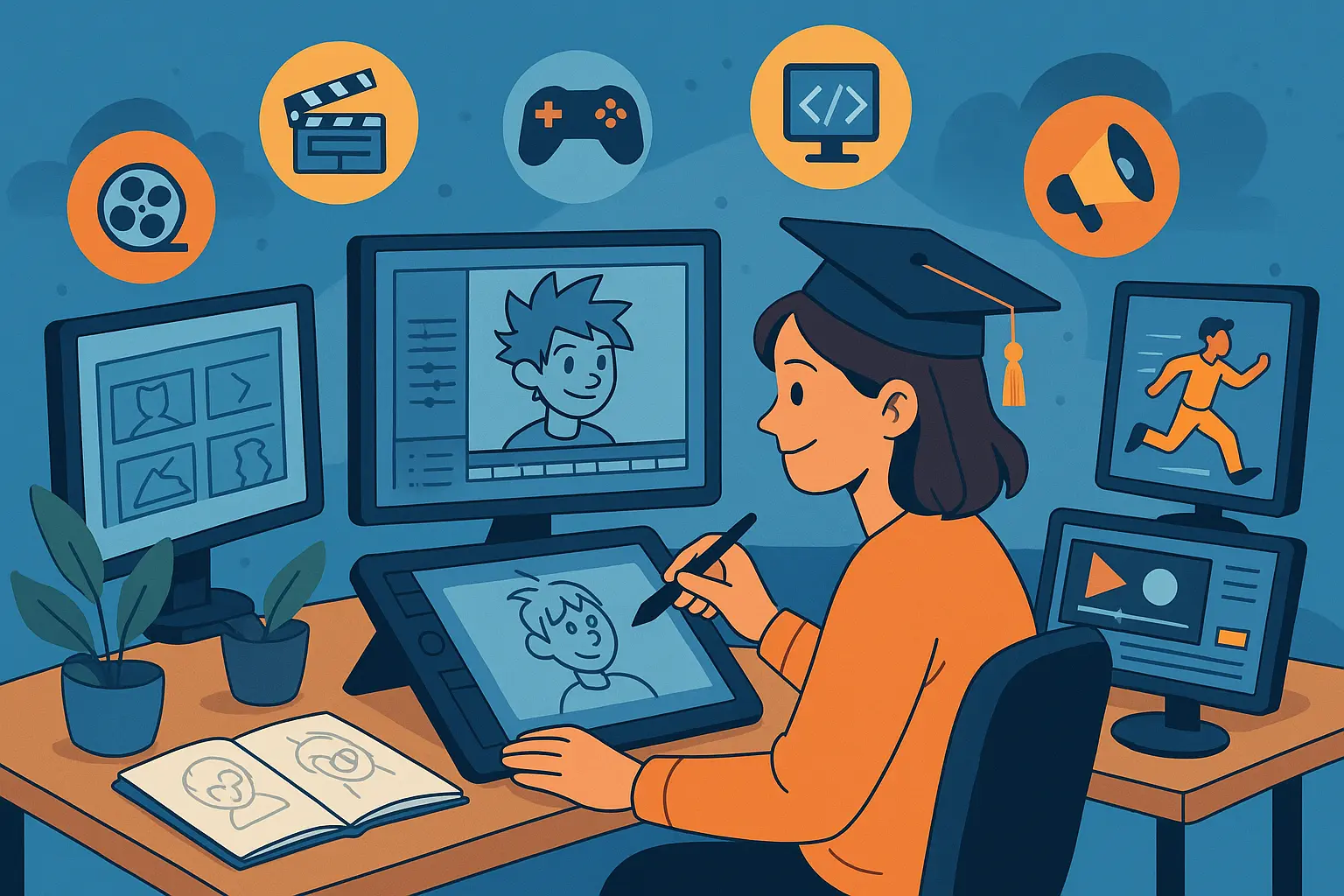
Why an Animation Degree is the Smart Career Choice for Today’s Creative Minds?
Why an Animation Degree is the Smart Career Choice for Today’s Creative Minds? An animation degree is a highly relevant and future-ready career option in today’s digital world. It combines creativity, technology, and global relevance making it ideal for those who want a stable, flexible, and creatively fulfilling career. A degree in animation offers deep knowledge, professional skills, and industry exposure, making it an ideal choice for anyone serious about turning their creativity into a sustainable and rewarding career. The rise of OTT platforms, digital marketing, and e-learning has created a constant need for engaging visual content, making animation a central part of modern communication. It offers a structured and in-depth education that blends artistic skills like drawing, character design, and storyboarding with technical expertise in 3D modelling, VFX, and motion graphics. Unlike short-term courses, a degree program provides comprehensive training and helps students build a professional portfolio or demo reel essential for entering the industry. With the growing demand for skilled animators in films, gaming, advertising, education, and digital media, a recognized degree enhances job prospects and opens doors to global career opportunities. It also equips students with the knowledge and confidence to explore freelance work or start their own creative ventures. Deciding whether to pursue an animation degree depends on your goals, learning style, and resources. An animation degree is a great option if you want structured learning, access to professional tools, mentorship, and industry connections—especially if you’re aiming for a long-term career in film, games, or visual effects. It helps you build a strong portfolio with guidance and success still heavily depends on your skills and portfolio, not just the degree. After earning a degree in animation, a variety of career opportunities open up across different industries like film, television, gaming, advertising, and even tech. Overall, pursuing a degree in animation is a smart investment for anyone aiming to turn their creative passion into a successful, long-term career. Career Opportunities After an Animation Degree Film & TV Industry2D/3D Animator Storyboard Artist Character Designer Visual Development Artist Layout Artist Compositor VFX Artist These roles are involved in animated movies, series, commercials, and post-production for live-action films. Gaming Industry Game Animator Character Rigger Environment Artist Technical Animator Cinematic Artist Gaming companies need animators for cutscenes, character movements, and interactive environments. Tech & Digital Media UI/UX Animator Motion Graphics Designer Augmented Reality (AR)/Virtual Reality (VR) Artist These roles are increasingly in demand at tech companies, especially in app development, social media, and virtual experiences. Advertising & Marketing Motion Graphic Artist Explainer Video Animator Brand Content Creator Advertising agencies and brands hire animators to create eye-catching visual content for social media, ads, and promotional videos. Freelancing & Entrepreneurship Start your own animation studio Work as a freelance animator or independent creator Sell animation assets or courses online Build a presence on platforms like YouTube, ArtStation, or Patreon Education & Training Animation Instructor at schools, colleges, or online classes E-learning Designer/Developer Design engaging training modules that include animations, interactive media, and gamified learning for companies or schools. Children’s Educational Content Creator Produce animated content for children’s TV, YouTube channels, or apps that teach concepts in a fun and engaging way.
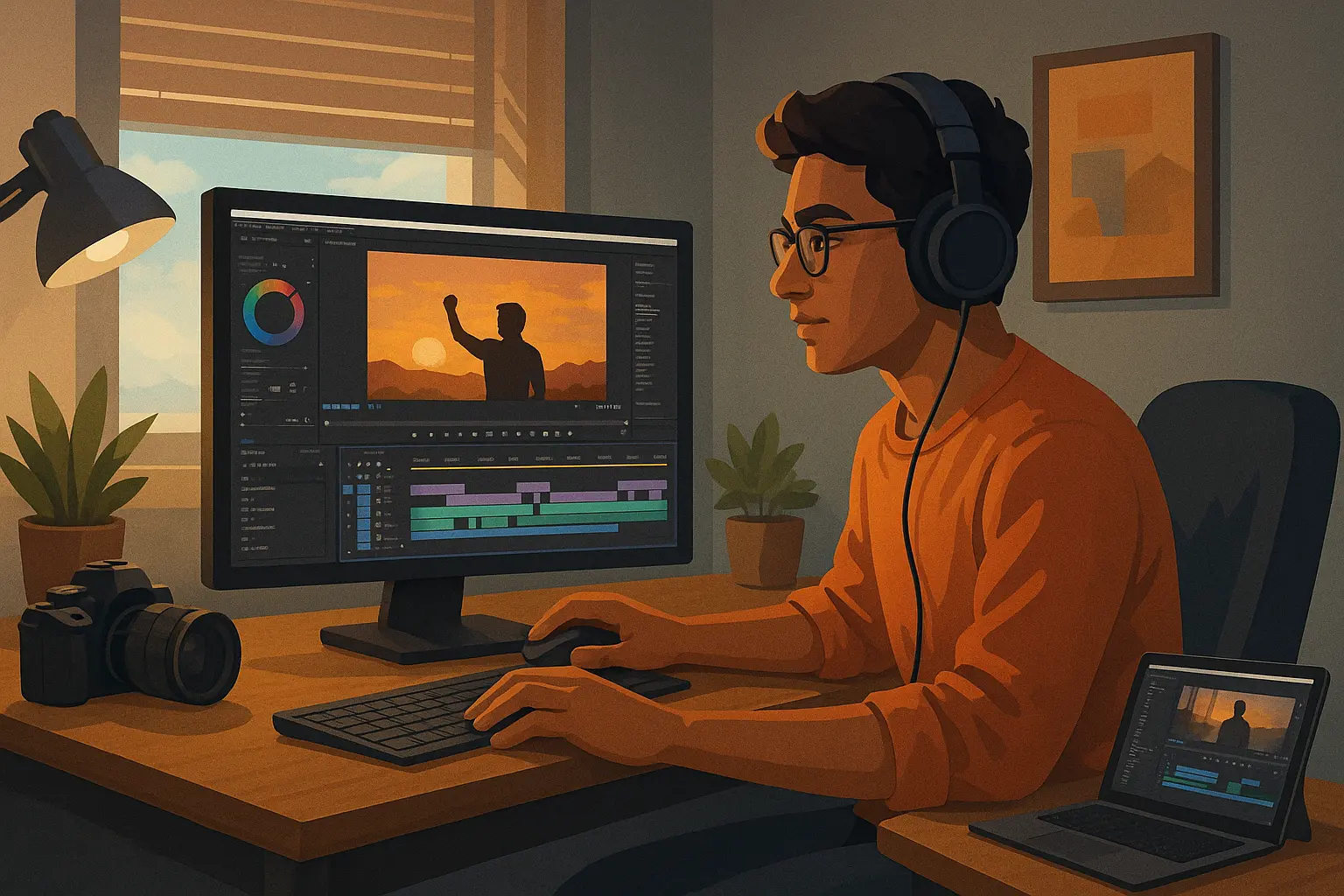
Unlock Your Future in Video Editing with Cosmos Creative Academy
Unlock Your Future in Video Editing with Cosmos Creative Academy Video editing is the art of transforming raw footage into captivating stories through skillful trimming, transitions, visual effects, audio integration, and color correction. Whether you’re crafting a cinematic masterpiece or a viral social media clip, this dynamic field blends technical expertise with boundless creativity. At Cosmos Creative Academy (cosmoscreativechinchwad.com), we empower aspiring editors to master this craft and build rewarding careers. To excel, you’ll need proficiency in industry-standard tools like Adobe Premiere Pro, Final Cut Pro, or DaVinci Resolve, paired with a keen eye for storytelling, pacing, and detail. Strong communication and time management are key to thriving under tight deadlines. Our courses at Cosmos Creative Academy guide you through these skills, offering hands-on training to hone your technical and creative abilities. Your educational journey can start with our specialized diploma programs, short-term courses, or certifications like Adobe Certified Professional. We emphasize practical learning, helping you build a standout portfolio that speaks louder than any degree. From film and TV to advertising, freelancing, corporate videos, or even wedding and gaming content, the career paths are diverse. Whether you dream of editing Hollywood films, creating viral YouTube videos, or producing corporate training materials, the opportunities are endless. The demand for video editors is soaring, especially for short-form content on platforms like YouTube and Instagram. With salaries ranging from 20,000 for entry-level roles for seasoned professionals, and freelance projects the field is lucrative. Industries like media, digital marketing, and education are actively hiring, and skills in motion graphics or 3D editing can set you apart. Final Thoughts: If You’ve Got the Passion, The Time Is Now– Join Cosmos Creative Academy to turn your passion for storytelling into a thriving career. Enroll today at cosmoscreativechinchwad.com and start shaping the future of video!

Why You Should Consider a Career in Graphic Design in 2025 ?
Why You Should Consider a Career in Graphic Design in 2025 ? The world is rapidly changing, let’s face it. More than ever, we stream, swipe, and scroll—and you know what drives all of that content? images. You’ve already experienced the power of graphic design if you’ve ever appreciated a stunning app, a striking Instagram ad, or a sleek logo. And that magic is more needed and relevant than ever in 2025. Here are some reasons why this is the ideal time to start if you’ve been considering a career change or entering the graphic design field. 1. We Live in a Visual World Consider this: how often have you read an entire paragraph before viewing the pictures? That’s right. Everything, including digital advertisements, videos, memes, and product packaging, is made to visually catch your eye. Graphic designers can help with that. They enable brands to communicate more effectively, quickly, and imaginatively. 2. The Job Market Is Booming Every company, regardless of size, needs a designer on staff. In order to stand out online, businesses are spending more on design, so designers are not only in demand but also necessary. There are plenty of options available, whether you want to work remotely, as a freelancer, or for a creative agency. 3. AI Helps Designers, Not Replaces Them Let’s be clear: while AI tools are undoubtedly changing the design industry, they won’t replace you in your position. Rather, they are assisting designers in working more quickly, experimenting more, and realizing ideas more quickly than before. The finest aspect? You don’t have to be an AI specialist. All you have to do to boost your creativity is learn how to use these tools. 4. Work from Anywhere Today, flexibility is one of the greatest benefits of being a designer. You can work while traveling the world, at your favorite café, or from home. A laptop and Wi-Fi are all you need. Nowadays, a lot of designers are earning good money by working remotely with clients in other nations. 5. It’s Super Versatile There is more than one aspect of graphic design. You may be interested in branding, packaging, motion graphics, UI/UX, editorial design, or even digital art and NFTs. All of it has room. You don’t have to confine yourself to a certain industry or style. 6. You Don’t Need a Fancy Degree Let’s dispel a myth: becoming a designer no longer requires a four-year degree in design. Despite the abundance of online courses, YouTube tutorials, and design bootcamps, your portfolio will always be more impressive than your degree. 7. You Get to Make a Real Impact. Making things “look pretty” is only one aspect of design. It’s about resolving issues, narrating tales, and influencing how others view the world. In addition to producing art, graphic designers also have an impact on attitudes, actions, and even culture. Final Thoughts: If You’ve Got the Passion, The Time Is Now– In 2025, graphic design will be more than just a job; it will be a chance to produce something valuable. Whether you’re just starting out or thinking about changing careers, this field offers creativity, flexibility, and lots of room for growth. This is the sign you’ve been waiting for. One pixel at a time, create the future you want.
Why Animation is the Best Career Choice Compared to BA, BCom, BSc, and Engineering?
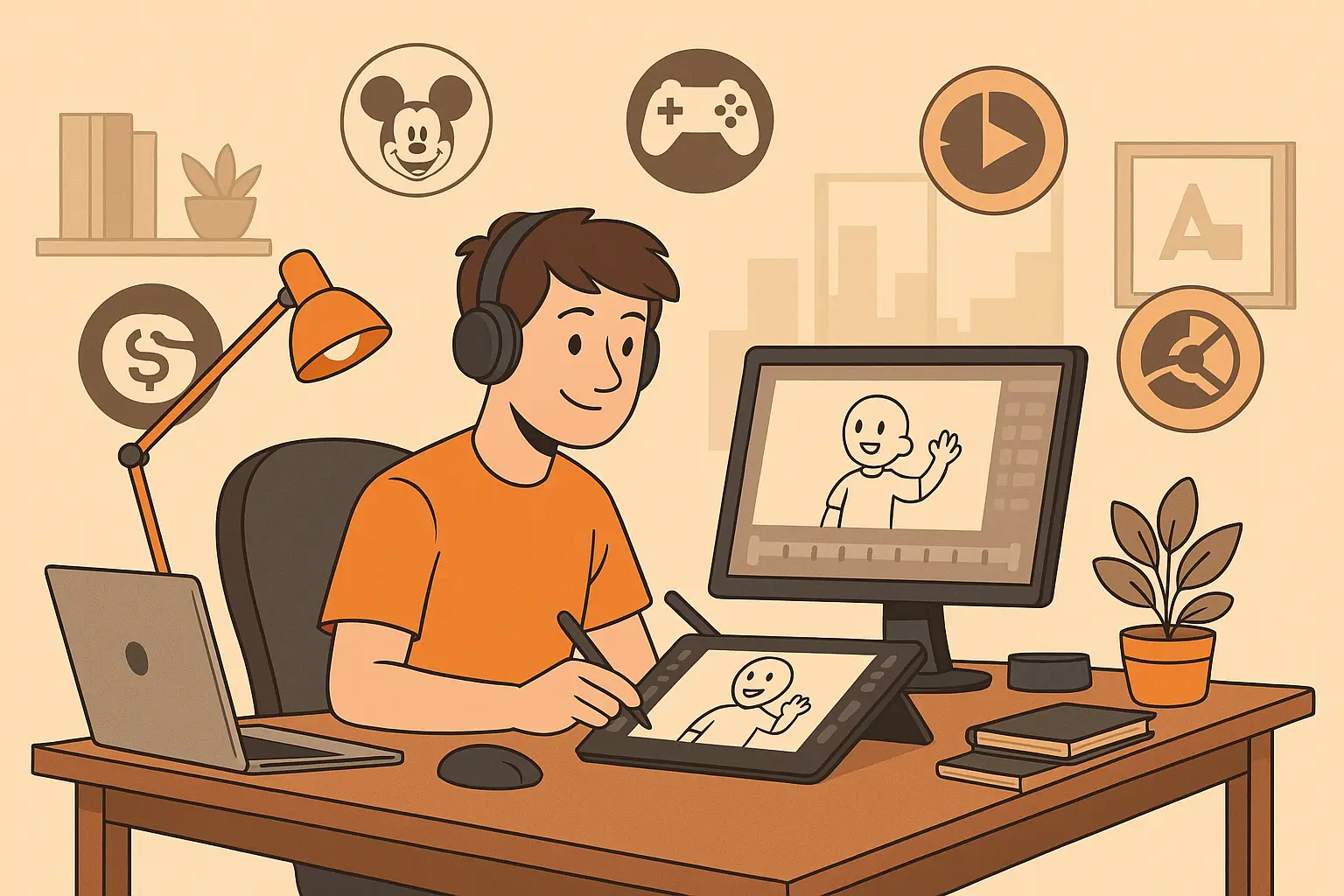
Why Animation is the Best Career Choice Compared to BA, BCom, BSc, and Engineering? Career selection plays an important role in financial stability and long-term success today. The BAs, the BComs, the BScs, and Engineering courses are classical degrees but what single stands apart as the ultimate career option with a 100% earning guarantee is Animation. Let’s compare these fields and show why and how Animation is better than all for investing in your future. Choose any one master that you can afford in order to not take an excess debt on your head. Do not watch animations and start thinking that this field has no future and is just a process of wasting time. Here with animation, it almost guarantees success-choose whichever profession it may tie into. Compare the various aspects of these fields and find out how interesting and different Animation is from the rest for future investments. Criteria BA (Bachelor of Arts) BCom (Bachelor of Commerce) BSc (Bachelor of Science) Engineering (BTech/BE) Animation (Best Choice) Course Duration 3 Years 3 Years 3 Years 4 Years 3 Years Job Guarantee ❌ No ❌ No ❌ No ⚠️ Depends on market ✅ 100% Earning Guarantee Startup Cost High (Competitive Exams) High (MBA/CA required) Medium Very High (Education Cost) Low (Freelance/Studio Jobs) Employment Scope Limited (Govt./Teaching) Competitive (Finance Jobs) Research/Limited Scope IT, Core Jobs Movies, Gaming, VFX, OTT, YouTube Earning Potential ₹15k – ₹40k/month ₹20k – ₹50k/month ₹20k – ₹60k/month ₹30k – ₹1L/month ₹50k – ₹5L/month+ (Scalable) Freelance Earnings Limited Limited Limited Only in IT Field Unlimited (Freelancing, Global Demand) Growth Scope Slow Moderate Moderate High Very High (Global Market, Passive Income) Global Demand Low Medium Medium High Extremely High (Hollywood, Gaming, Ads, OTT, AI, AR/VR) Why Animation is the Best Career Option? ✅ 100% Earning Guarantee Animation is not like conventional degrees which promise jobs according to job openings, experience, and competition for a bright future but gives you instant earning opportunities through freelancing, full-time jobs, and projects. It makes it possible to earn from anywhere as a proven laptop-based profession, with the requirement being an internet connection. 🎬 Endless Career Opportunities If you are into animation, you can find work in different industries such as: Movies & TV Shows (Hollywood, Bollywood, Netflix, Disney, etc.) Gaming Industry (AAA game studios, mobile games, indie developers) Advertising & Marketing (Animated commercials, brand visuals) YouTube & Social Media (Content creators, educational videos, explainer animations) AI, AR/VR, and Metaverse (Emerging technologies need animation experts) 💰 Higher Salary Growth & Passive Income Animation has scalable earnings: the more skilled you are, the more you earn. Unlike the fixed salaries in regular careers, animators can work with freelance projects, Youtube monetization, NFT animations, and digital producing similar income streams. 🌎 Work from Anywhere Unlike Engineering or Commerce jobs which are confined geographically, animation is one such profession which enjoys the global market with offering remote employment. Being at home, you can work and earn dollars from international clients. Final Thoughts: Animation is the Future– It restricts the traditional courses to offer limited job security and competition, while Animation has a skill-based career with infinite possibilities. If you want financial stability, creative freedom, and a global reach, Animation would be the safest option. 🎨🚀 So, are you ready now to go around in the exciting world of Animation? Get started today to translate your passion into a highly rewarding career!

Getting Started with VFX & the Future of VFX Industry in India
Getting Started with VFX & the Future of VFX Industry in India What is VFX ? Visual Effects (VFX)—the magic that makes wonderful scenes everlasting in movies, series or games. It enables filmmakers to create impossible worlds, whether they be gigantic monsters or futuristic cityscapes. VFX = Visual effects which is a combination of live action footage and CGI (Computer Generated Imagery) that is used to create an aesthetic and storytelling element of any project. How to Start Learning VFX? Shall we start with some simple steps for beginners? Get to know the basics – A deep knowledge in types of VFX like CGI, motion graphics, compositing, animation, ext. Pick the Software for the Job – Familiar tools of the trade are Adobe After Effects, Autodesk Maya, Blender, Nuke, Silhoutte, PFTrack, Houdini Etc. Learn Courses – VFX can be learn from the reputed studio based Learning Centre’s like Cosmos Creative Academy which is India’s Leading animation studio based Academy. Best Part is Cosmos Maya India Pvt Ltd is well know from the makers of famous animation series Motu Patlu. Visit www.cosmoscreativeacademy.com for more information. Experiment with Small Projects – Play with easy effects like removing a green screen or inserting 3D elements into videos. Establish a Portfolio – Create work and get it on sites like ArtStation or Behance to bring in opportunities. Future of VFX in India – With a significant amount of talent, India has become a destination of choice for VFX, with ever-increasing demand in recent years. That said, here’s is why the future of VFX in India is so bright: Expanding Film Industry – Bollywood, regional cinema and streaming platforms are leveraging VFX more frequently to enhance storytelling. India → Global Outsourcing Hub – Hollywood studios outsource VFX work to Indian companies due to cost efficiency and highly skilled talent availability. Why do we see a massive upswing in Gaming & Animation Boom? Gaming & Animation Boom – The growing demand of gaming, AR/VR, and animated movies are driving the demand for VFX professionals. Support from Government – Several state governments are providing incentives and funding programs for animation and VFX. And with emerging technologies—machine learning, real-time rendering, and virtual production—changing the landscape, the potential for more jobs is there. Conclusion – With the VFX of an ever growing industry in India, entry into this field seems to be a pretty good opportunity for beginners. While a career in VFX for aspiring artists is infinitely rewarding as they can be a part of Indian and Hollywood projects also, it needs the right skills, tools, and practice. The VFX world is vast, whether you wish to work in Bollywood, Hollywood, or gaming. Are you looking to learn VFX? Start today and explore the endless creative opportunities in this ever-growing industry with Cosmos Creative Academy! व्हीएफएक्सची सुरुवात आणि भारतातील व्हीएफएक्स उद्योगाचे भविष्य व्हीएफएक्स म्हणजे काय? व्हिज्युअल इफेक्ट्स (VFX) हा एक जादूई तंत्रज्ञान आहे, जो चित्रपट, मालिका किंवा गेम्समधील दृश्यांना अविस्मरणीय बनवतो. याच्या मदतीने चित्रपट निर्माते अशक्य वाटणाऱ्या गोष्टी तयार करू शकतात, जसे की भव्य राक्षस किंवा भविष्यकालीन शहरे. व्हीएफएक्स म्हणजे व्हिज्युअल इफेक्ट्स, जो लाईव्ह अॅक्शन फूटेज आणि CGI (कंप्यूटर जनरेटेड इमेजरी) यांचा संयोजन असतो आणि तो कोणत्याही प्रोजेक्टला आकर्षक आणि प्रभावी बनवण्यासाठी वापरला जातो. व्हीएफएक्स शिकण्याची सुरुवात कशी करावी? सुरुवातीसाठी काही सोपी पावले पाहूया: मूळ संकल्पना समजून घ्या – व्हीएफएक्सच्या विविध प्रकारांबद्दल माहिती मिळवा, जसे की CGI, मोशन ग्राफिक्स, कम्पोझिटिंग, अॅनिमेशन इत्यादी. योग्य सॉफ्टवेअर निवडा – या क्षेत्रातील प्रचलित टूल्स म्हणजे Adobe After Effects, Autodesk Maya, Blender, Nuke, Silhouette, PFTrack, Houdini इत्यादी. कोर्सेस करा – व्हीएफएक्स शिकण्यासाठी प्रसिद्ध स्टुडिओ-आधारित लर्निंग सेंटर्स आहेत, जसे कॉसमॉस क्रिएटिव अकॅडमी, जी भारतातील अग्रगण्य अॅनिमेशन स्टुडिओ-आधारित अकॅडमी आहे. विशेष म्हणजे कॉसमॉस माया इंडिया प्रायव्हेट लिमिटेड ही सुप्रसिद्ध अॅनिमेशन मालिका मोटू पतलू चे निर्माते आहेत. अधिक माहितीसाठी www.cosmoscreativeacademy.com ला भेट द्या. लहान प्रोजेक्ट्सवर प्रयोग करा – ग्रीन स्क्रीन काढणे किंवा 3D घटक व्हिडिओमध्ये समाविष्ट करणे यासारख्या सोप्या इफेक्ट्ससह सराव करा. पोर्टफोलिओ तयार करा – आपले काम तयार करा आणि ArtStation किंवा Behance सारख्या साइट्सवर upload करा, जेणेकरून अधिक संधी उपलब्ध होतील. भारतातील व्हीएफएक्सचे भविष्य – भारत हा व्हीएफएक्स क्षेत्रासाठी प्रमुख केंद्र बनला आहे आणि अलिकडच्या वर्षांत त्याची मागणी प्रचंड वाढली आहे. याचे कारणे खालीलप्रमाणे आहेत: वाढता चित्रपट उद्योग – बॉलीवूड, प्रादेशिक चित्रपट आणि ओटीटी प्लॅटफॉर्म्स VFX चा अधिकाधिक वापर करत आहेत, ज्यामुळे कथा अधिक प्रभावी बनतात. जागतिक आउटसोर्सिंग हब – हॉलीवूड स्टुडिओज व्हीएफएक्सचे काम भारतीय कंपन्यांकडे स्वस्त आणि कुशल मनुष्यबळामुळे आउटसोर्स करतात. गेमिंग आणि अॅनिमेशन उद्योगाचा वाढता वेग – गेमिंग, AR/VR आणि अॅनिमेटेड चित्रपटांची वाढती मागणी व्हीएफएक्स क्षेत्रात मोठ्या प्रमाणात रोजगार निर्माण करत आहे. सरकारचा पाठिंबा – अनेक राज्य सरकारे अॅनिमेशन आणि व्हीएफएक्स क्षेत्रासाठी प्रोत्साहन योजना आणि अनुदाने देत आहेत. नवीन तंत्रज्ञानाचा प्रभाव – मशीन लर्निंग, रिअल-टाइम रेंडरिंग आणि वर्च्युअल प्रोडक्शन यांसारख्या तंत्रज्ञानामुळे व्हीएफएक्स उद्योगामध्ये मोठे बदल होत आहेत आणि नवीन रोजगाराच्या संधी निर्माण होत आहेत. निष्कर्ष – भारताचा VFX उद्योग झपाट्याने वाढत असल्यामुळे, या क्षेत्रात प्रवेश करणे नवीन शिकणाऱ्यांसाठी उत्तम संधी ठरू शकते. इच्छुक कलाकार भारतीय तसेच हॉलीवूड प्रोजेक्ट्समध्ये काम करून यशस्वी करिअर घडवू शकतात. मात्र, यासाठी योग्य कौशल्ये, योग्य टूल्स आणि नियमित सराव आवश्यक आहे. बॉलीवूड, हॉलीवूड किंवा गेमिंग कोणत्याही क्षेत्रात काम करण्याची इच्छा असल्यास, VFX जगात अमर्याद संधी उपलब्ध आहेत. VFX शिकण्यास इच्छुक आहात का? तर आजच कॉसमॉस क्रिएटिव अकॅडमी सोबत तुमच्या प्रवासाला सुरुवात करा.